
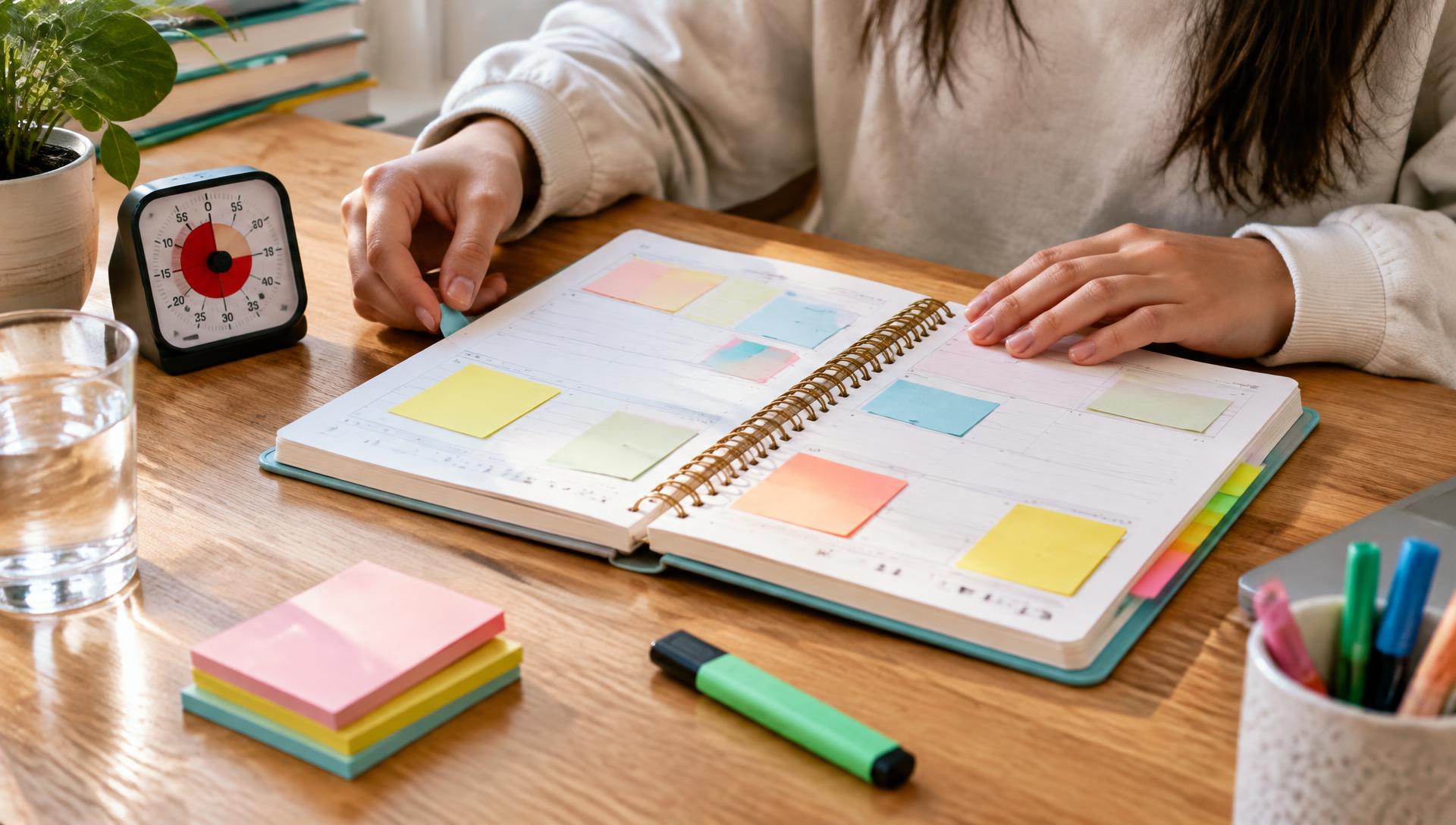
How to Support Executive Function in Teens (Without Becoming the Nag)
Executive function isn't one skill. It's a whole toolkit, and every teen's toolkit looks different.
This guide shows you how to support executive function one skill at a time, with strategies you can use today.
Less nagging. More independence. A teen who understands how their brain works.
First, What Executive Function Really Is
Executive function is the brain's management system. It's what helps us start a task, keep track of time, remember what we're doing, manage our feelings, and finish what we began.
These skills keep developing through the teen years and into early adulthood. So a teen who struggles isn't broken or behind forever. Their skills just need more support, more practice, and more time.
The key insight: you can't support executive function by demanding it. Saying "Just get organized" to a teen who hasn't learned how is like saying "Just speak French." Skills have to be taught, practiced, and supported before they can stand on their own.
How to Support Executive Function: The "I Do, We Do, You Do" Approach
Before diving into specific skills, here's the framework that makes every strategy work better.
- I do. You model the skill out loud. "I'm looking at what's due this week, then picking the hardest thing to do first."
- We do. You practice it together. You plan the week side by side, and your teen makes some of the choices.
- You do. Your teen does it on their own, and you check in afterward instead of hovering.
Most teens bounce between stages, and that's normal. A teen might be at "you do" for organizing their desk and still at "we do" for planning a research paper. Support the skill where it is, not where you wish it were.
How to Support Each Executive Function Skill
Task Initiation (Getting Started)
What it looks like: Staring at the page, doing everything except the assignment, or saying "I'll start in five minutes" for an hour.
How to support it:
- Shrink the first step until it feels almost silly: "Write your name and the title."
- Set a five-minute timer and agree they can stop when it rings. Many find they keep going once they've started.
- Work nearby. Body doubling makes starting feel less lonely.
Planning and Prioritizing
What it looks like: Doing the easy or fun task first, missing deadlines, or not knowing where to start on a big project.
How to support it:
- Break big projects into steps with their own mini deadlines.
- Sort tasks together into "must do today," "this week," and "later."
- Plan the week on Sunday, and keep the plan where your teen can see it.
Time Management
What it looks like: Losing track of time, underestimating how long things take, or a constant "I didn't realize it was that late."
How to support it:
- Use analog clocks and visual timers so time is something they can see.
- Have your teen guess how long a task will take, then time it. Comparing builds time awareness.
- Plan in blocks, like "10:00 to 10:40, math," instead of an open-ended to-do list.

Organization
What it looks like: Lost papers, missing chargers, a desk buried under everything, or a messy computer desktop.
How to support it:
- Give school materials one home: a bin, a shelf, or a launch pad by the door.
- Keep the system simple. Fewer categories means fewer decisions.
- Schedule a weekly five-minute reset to put everything back.
Working Memory
What it looks like: Forgetting directions halfway through, losing their place, or "What was I supposed to do again?"
How to support it:
- Write directions down instead of only saying them.
- Use checklists for repeated routines, like the steps to finish and submit an assignment.
- Have your teen repeat the plan back in their own words.
Emotional Regulation
What it looks like: Shutting down when work feels hard, big reactions to small corrections, or quitting at the first mistake.
How to support it:
- Name the feeling without judging it: "This feels frustrating."
- Build in a reset: a walk, water, or a few deep breaths, then a restart.
- Stay calm yourself. Your regulation helps your teen find theirs.
Flexible Thinking
What it looks like: Getting stuck when the plan changes, insisting on one way to solve a problem, or melting down over surprises.
How to support it:
- Give a heads-up before transitions or changes.
- Practice "Plan B" thinking ahead of time: "If this doesn't work, what else could we try?"
- Praise adaptability when you see it.
Self-Monitoring
What it looks like: Thinking work is done when it isn't, missing obvious errors, or not noticing when they've drifted off-task.
How to support it:
- Create a short "done means" checklist for common assignments.
- Build in a quick review before anything is turned in.
- Ask reflection questions after a task, not just during it.
How to Support Executive Function Through Your Environment
Sometimes the best support isn't a conversation. It's a setup. A few environment changes take pressure off your teen's brain:
- Reduce visual clutter in the work area.
- Keep a timer and planner within arm's reach.
- Put phones in another room during focus blocks, or use focus modes.
- Offer movement options, like a standing spot, a wobble stool, or permission to pace while thinking.
- Use the same workspace for focused work, so the brain links it with getting things done.

What Not to Do
Even loving, well-meaning parents can accidentally make executive function harder. Watch for these:
- Doing it for them every time. It's faster today, but it delays the skill.
- Removing all support at once. Independence grows gradually, not overnight.
- Treating struggles as character flaws. "Lazy" and "careless" build shame, not skills.
- Using punishment as the main tool. Consequences don't teach a skill your teen doesn't have yet.
When to Get Extra Help
If you've tried these strategies consistently and your teen is still stuck, more support can help. An ADHD or executive function coach can teach skills directly and provide the outside accountability that's hard for a parent to give.
If you homeschool, learn more about executive function homeschool support and how coaching fits alongside your curriculum. When your teen is ready to take more ownership, our guide to building independence in homeschooled teens is a good next read. For daily structure, see the ADHD homeschool schedule guide.
How to Support Executive Function FAQ
Can executive function be improved?
Yes. These skills can grow with direct teaching, practice, and consistent support, especially during the teen years. Every teen grows at their own pace.
Is poor executive function the same as ADHD?
No. They're closely connected, and many people with ADHD have executive function challenges. But many teens without ADHD struggle with these skills too.
At what age does executive function fully develop?
These skills keep developing into early adulthood, so teens still have plenty of room to grow.
What's the fastest way to help a teen get started on work?
Make the first step tiny, set a short timer, and work nearby. Starting is often the hardest part.
How do I support executive function without nagging?
Agree on a visible plan together, use questions instead of commands, and let outside accountability, like a coach or small group, carry some of the load.
Support Executive Function With a Coach in Your Corner
You don't have to teach every skill alone. ZEAL helps homeschool teens learn, practice, and use executive function skills each week, with live coaching and a community that gets it.
Related Resources

Executive Function Homeschool Support for Students Who Struggle to Start
What executive function is, why the struggle often feels bigger at home, and six strategies you can try this week. Plus how coaching builds skills toward independence.
Read Article
How to Build Independence in Homeschooled Teens
Independence is built one handoff at a time. A readiness-based ladder, real responsibility, and how to step back without chaos.
Read Article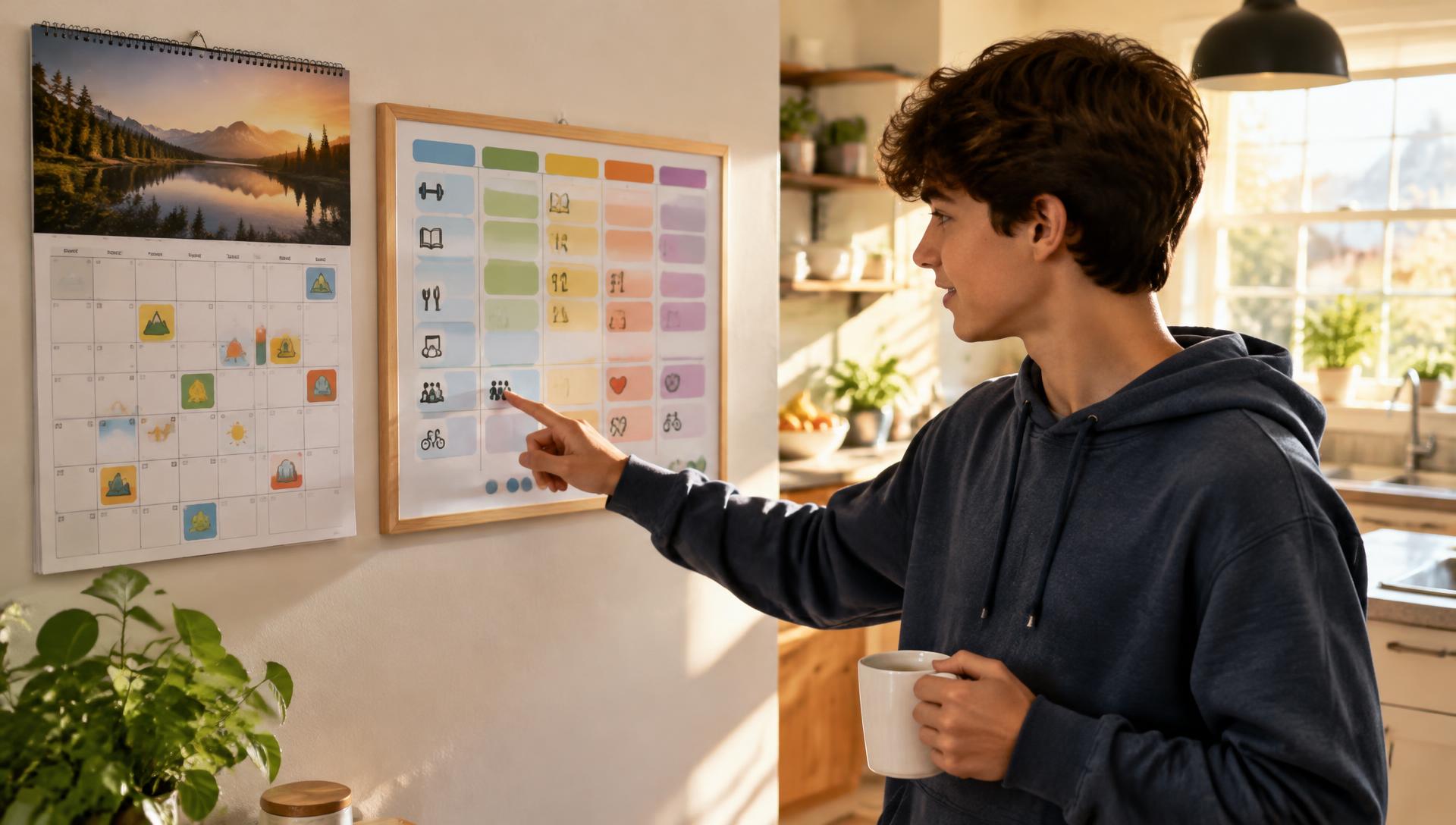
The ADHD Homeschool Schedule That Works With Your Teen's Brain
A rhythm, not a rulebook. A sample day, a weekly plan, block vs. loop scheduling, and a backup plan for the hard days.
Read Article